Level Ground That Drains and Supports Structures
Site Preparation & Grading in Pittsburgh for preventing water pooling and creating stable building surfaces
TRL Excavating LLC prepares and grades building sites across Pittsburgh, where uneven terrain and poor drainage conditions can undermine construction before it even begins. You hire the company to reshape land that slopes the wrong way, holds water in low spots, or has debris and organic material mixed into the soil. The crew removes unsuitable fill, cuts down high areas, fills in depressions, and establishes slopes that direct water away from foundations and toward swales or storm drains.
Site preparation solves the problem of unstable ground that won't support concrete, asphalt, or structural loads without settling or shifting. Grading creates the drainage patterns your property needs to keep basements dry and prevent erosion around driveways, patios, and retaining walls. The work involves stripping topsoil, compacting subgrade, and fine-grading surfaces to match elevation plans. Proper grading also prevents water from pooling near building footprints, where freeze-thaw cycles can crack foundations and create hydrostatic pressure against basement walls.
If you're planning construction in Pittsburgh and need your site leveled and drained correctly, contact TRL Excavating LLC to review grading requirements and site conditions.
How Grading Prepares Land for Long-Term Stability
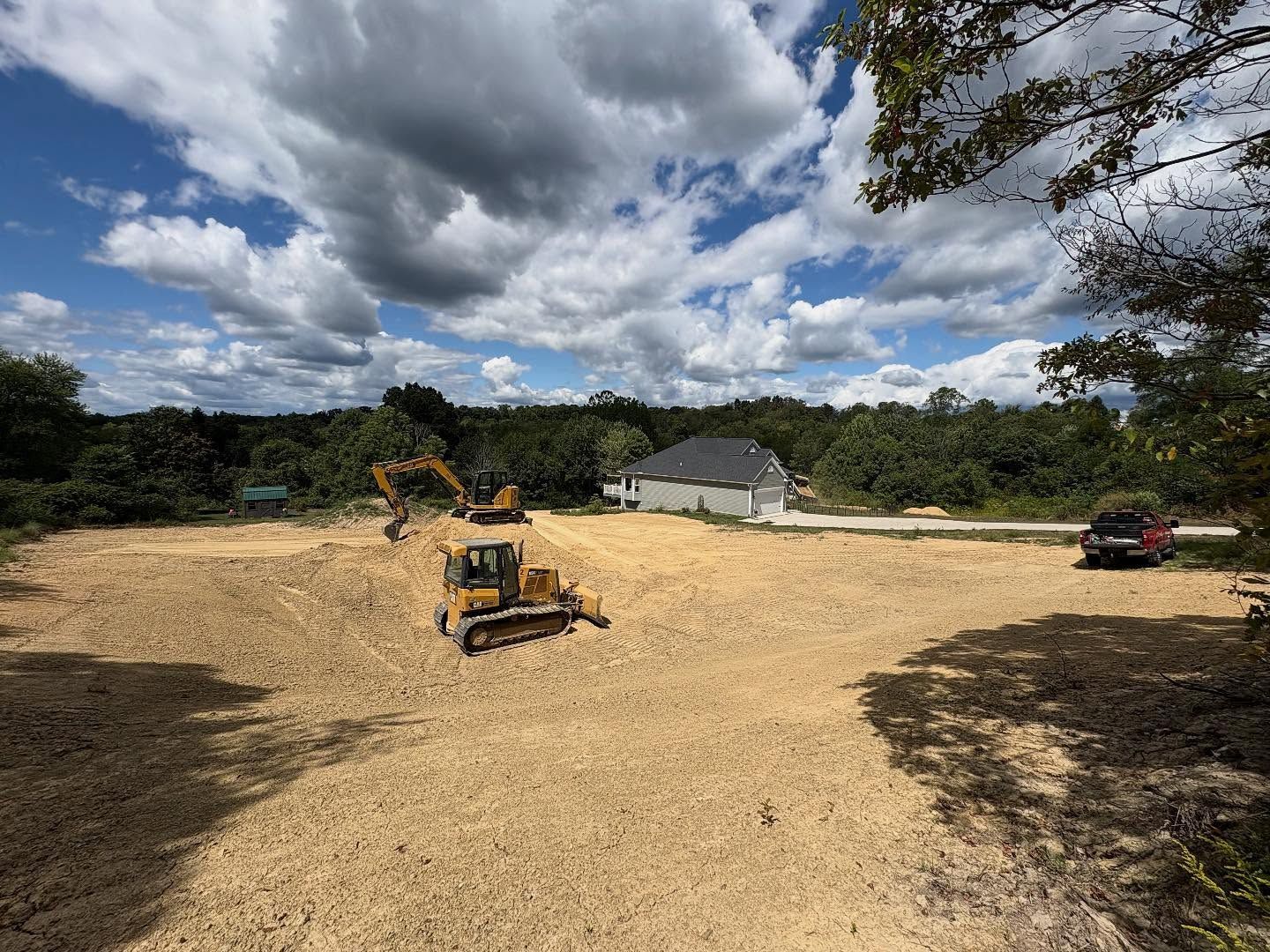
When grading begins, you'll see equipment operators working from surveyed grade stakes that mark finished elevations at key points across the site. A bulldozer or grader pushes soil from high spots into low areas, then smooths the surface in passes that compact the ground as they go. The team checks progress with a laser level or GPS system to confirm slopes fall within tolerance, typically between one and two percent for drainage around buildings. Soil type matters here—clay compacts well but drains slowly, while sandy soil drains fast but may need additional compaction to prevent settling under weight.
Once grading is complete, you'll see a site where water flows predictably away from structures and toward designated drainage points. The ground will be firm enough to support formwork, vehicles, and material deliveries without rutting or sinking. This stage sets the foundation for everything that follows, from concrete pours to utility installation, and prevents costly repairs that result from water damage or uneven settling.
Site preparation includes debris removal, topsoil stripping, rough grading, and finish grading. The team adjusts slopes to meet engineering plans and local stormwater requirements. Services do not include soil testing, percolation tests for septic systems, or utility line installation, which are handled by specialized contractors.
Grading projects involve technical decisions about slope, drainage, and soil handling. These questions address the practical aspects of preparing land for construction.
What Property Owners Ask About Grading Work
What slope percentage is required for proper drainage around a foundation?
Most building codes require a minimum slope of five percent for the first ten feet from the foundation, which translates to a six-inch drop to move water away from basement walls in Pittsburgh.
How does site preparation prevent future foundation problems?
Removing organic material, compacting soil, and creating proper drainage eliminate voids that cause settling and reduce hydrostatic pressure that can crack concrete over time.
When should finish grading happen relative to other site work?
Finish grading occurs after underground utilities are installed and backfilled but before driveways, sidewalks, or landscaping are completed, so final elevations match design plans.
Why is topsoil removed before grading instead of being left in place?
Topsoil contains organic matter that decomposes and creates voids, so it's stripped and stockpiled for later use in landscaping, while stable subsoil is graded and compacted for structural support.
What equipment does TRL Excavating LLC use for grading residential sites in Pittsburgh?
The crew operates bulldozers for rough grading, skid steers with grading blades for finish work, and compaction equipment to densify soil before construction begins.
TRL Excavating LLC works with homeowners, builders, and developers throughout Pittsburgh to prepare sites that meet engineering standards and support safe, lasting construction. Call (412) 360-9008 to discuss your grading needs and schedule a site evaluation.