Open Wooded Land Without Hauling Debris
Land Clearing & Forestry Mulching in Pittsburgh for removing trees and brush before construction or property expansion
TRL Excavating LLC clears land using forestry mulching and traditional tree removal methods across Pittsburgh, where wooded lots and overgrown properties need vegetation stripped away before development can start. You bring the company onto a site covered in saplings, underbrush, vines, or mature trees, and the team reduces it to cleared ground with a layer of organic mulch left in place. Instead of cutting, stacking, and hauling truckloads of limbs and stumps, forestry mulching equipment grinds everything into chips that settle into the soil and help control erosion.
Land clearing solves the problem of inaccessible or unusable space on properties that need room for homes, garages, driveways, utilities, or agricultural use. The service removes trees, brush, and vegetation that block construction zones or prevent sunlight from reaching areas you want to landscape or plant. Forestry mulching works well on sites where you want to preserve topsoil and avoid the mud and ruts that come from repeated truck trips across soft ground. The mulch layer stabilizes soil, reduces weed growth, and decomposes over time to add organic matter back into the earth.
If your property in Pittsburgh has trees or thick brush standing between you and a buildable site, contact TRL Excavating LLC to assess clearing methods and equipment access.
What Happens During a Land Clearing Project
When the crew arrives, you'll see a forestry mulcher or excavator with a mulching head begin working through vegetation in planned rows. The machine chews through trunks up to several inches in diameter, grinding wood, bark, and leaves into uniform chips that spread across the ground. For larger trees or selective removals, the team uses chainsaws and excavators to drop trees, section trunks, and either haul material offsite or run it through a chipper. The process moves quickly compared to hand clearing, and you'll notice that the site stays relatively clean as the work progresses.
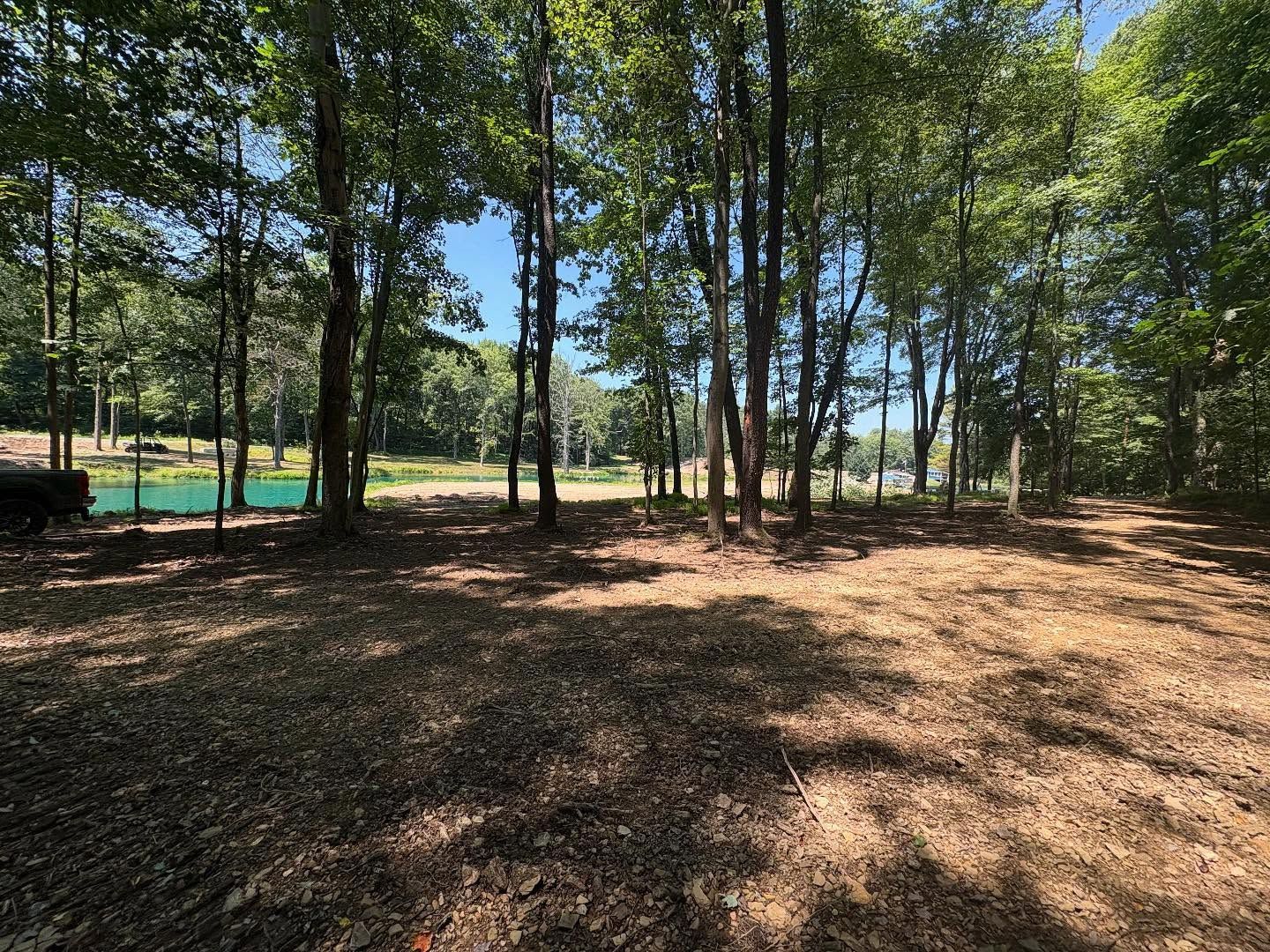
After clearing is finished, you'll walk onto a site where stumps are gone, sightlines are open, and the ground is covered in a layer of mulch that reduces dust and prevents immediate regrowth. The cleared area will be ready for grading, excavation, or landscaping once any remaining roots settle and the mulch compacts. TRL Excavating LLC coordinates clearing with other site work to keep your project moving without delays.
The scope of land clearing depends on property size, vegetation density, and whether you need selective removal or full clearing. Services include forestry mulching, tree cutting, stump grinding, and brush removal. The team does not handle tree trimming for landscaping purposes or remove hazardous trees near power lines, which require specialized arborist services.
Property owners preparing land for construction or expansion often ask about equipment capabilities, project timing, and what the site will look like when clearing is done.
Answers to Questions About Clearing Wooded Properties
What size trees can forestry mulching equipment handle?
Most mulching heads process trees up to six or eight inches in diameter, while larger trees are felled separately and either hauled away or chipped depending on project requirements.
How does forestry mulching differ from traditional land clearing?
Mulching grinds vegetation in place and leaves a protective layer on the soil, while traditional clearing involves cutting, piling, and hauling debris offsite, which takes more time and creates more ground disturbance.
When is land clearing scheduled relative to excavation or construction?
Clearing happens first to provide access for excavation equipment and remove obstacles that would interfere with grading or foundation work in Pittsburgh.
Why does mulch left on site help with erosion control?
The layer of wood chips absorbs rainfall, slows surface runoff, and holds soil in place while roots decompose and the site stabilizes before grading or seeding.
What happens to stumps after trees are removed?
Stumps are either ground below grade with a stump grinder or pulled out with an excavator, depending on whether the area will be graded, paved, or left as open land.
TRL Excavating LLC clears residential and commercial properties throughout Pittsburgh, preparing wooded or overgrown lots for the next phase of development. Reach out at (412) 360-9008 to schedule a site visit and review clearing options for your land.