Precision Digging for Solid Construction Starts
Excavation Services in Pittsburgh for foundation preparation, site cutting, and stable ground before building begins
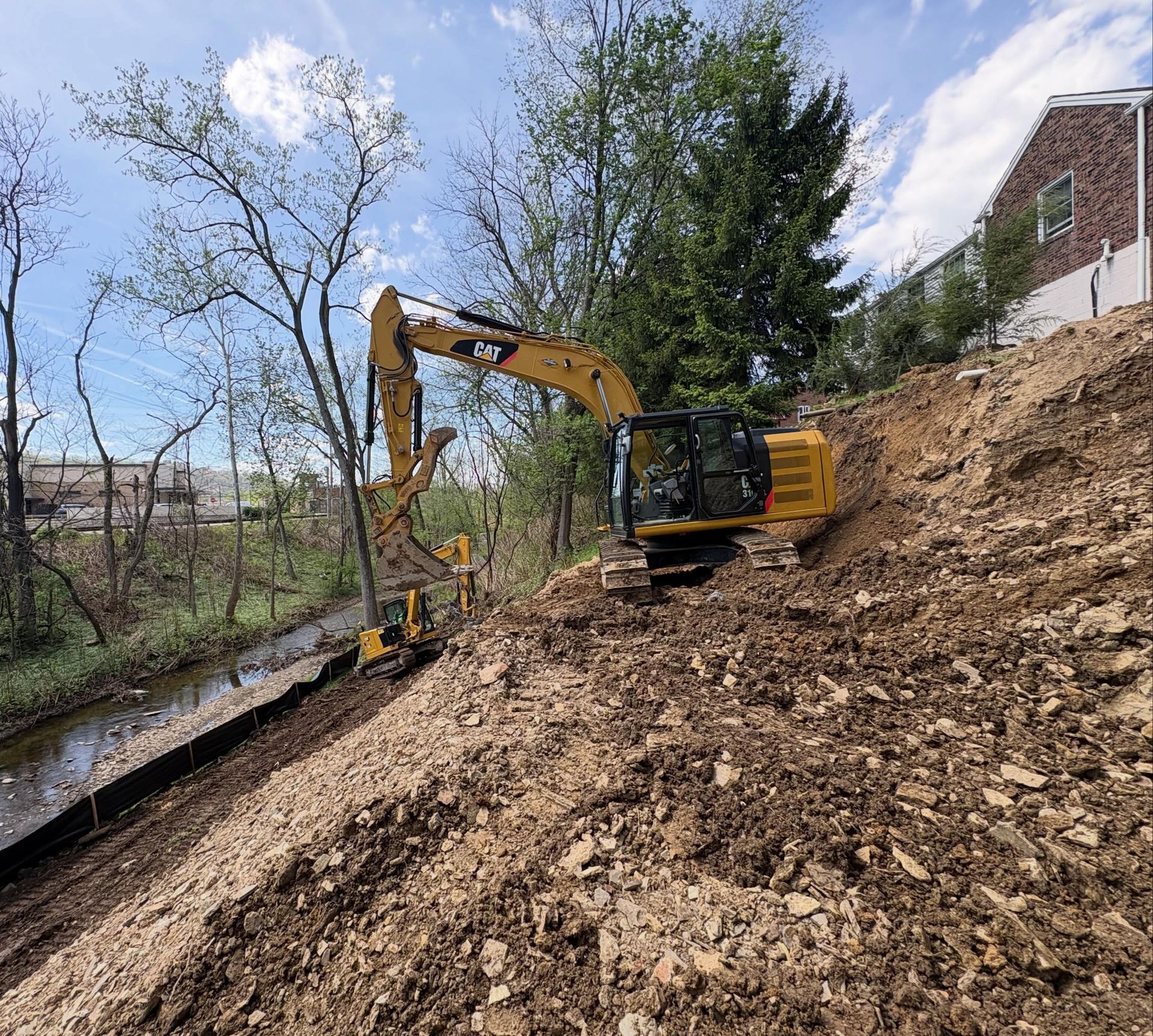
TRL Excavating LLC provides excavation services for residential and commercial projects in Pittsburgh, where proper digging and earthmoving set the stage for every structure you plan to build. Whether you're preparing land for a new home, garage, driveway, or commercial building, the excavation process removes soil to exact depths and creates the level base your foundation depends on. You'll see this work start with equipment positioning stakes in the ground and marking cut lines, then moving carefully through layers of earth until the site matches engineered specifications.
Excavation addresses the core problem of unstable or uneven ground that would otherwise compromise your structure over time. The service includes foundation digging to create space for footings and basement walls, site cut and fill work to balance high and low areas across your lot, trenching for utilities like water and sewer lines, and earth removal to haul away excess soil. Each task requires precise depth control and attention to soil type, especially in areas where clay or rock layers affect how equipment moves and how quickly water drains.
If you're planning construction in Pittsburgh and need your site prepared with accurate digging and grading, reach out to discuss your project timeline and site conditions.
How Professional Excavation Shapes Your Building Site
When excavation begins, you'll notice the difference between rough digging and controlled earthmoving that follows grade stakes and laser levels. TRL Excavating LLC uses trackhoes, excavators, and grading equipment to remove soil in layers, checking depth at multiple points to avoid over-digging that weakens load-bearing capacity or under-digging that leaves foundations sitting too high. The team handles soil based on moisture content and composition, setting aside topsoil for later use and hauling out unsuitable material that won't compact properly beneath concrete.
Once excavation is complete, you'll see a site with clean corners, level floors, and slopes that direct water away from foundation walls. The ground will be firm enough to support formwork and ready for the next phase, whether that's pouring footings, laying utility lines, or compacting base material for a driveway. This stage removes the guesswork from construction and gives every trade that follows a stable platform to work from.
The excavation process accounts for site access, equipment reach, and soil disposal requirements. If your property has limited clearance or requires hand digging near existing structures, the team adjusts methods to protect what's already in place. Services do not include utility location or permit acquisition, which remain the responsibility of the property owner or general contractor.
Excavation projects raise practical questions about timing, site conditions, and what happens to the soil once it's removed. Here are answers to help you understand how the work unfolds.
Common Questions About Excavation Work
What determines how deep excavation needs to go?
Depth depends on foundation design, frost line requirements, and soil bearing capacity, with most residential foundations in Pittsburgh dug between three and eight feet to reach stable ground below the frost line.
How does soil type affect the excavation process?
Clay soils require more force to break and may slow equipment, while sandy or loose soils dig quickly but need careful shoring to prevent cave-ins during utility trenching.
When should excavation happen relative to other site work?
Excavation typically follows land clearing and precedes foundation forming, so you complete earthmoving before concrete trucks and framing crews arrive on site.
Why does excess soil need to be hauled away instead of spread on site?
Most projects generate more soil than can be redistributed without raising grade levels around the foundation, which would direct water toward the building instead of away from it.
What equipment does TRL Excavating LLC use for residential excavation in Pittsburgh?
The team operates excavators with bucket widths matched to trench and foundation dimensions, along with skid steers for fine grading and dump trucks for soil removal.
TRL Excavating LLC works with homeowners, builders, and commercial developers across Pittsburgh to prepare sites that meet engineering plans and support long-term structural performance. Call (412) 360-9008 to schedule an assessment and confirm equipment access for your property.